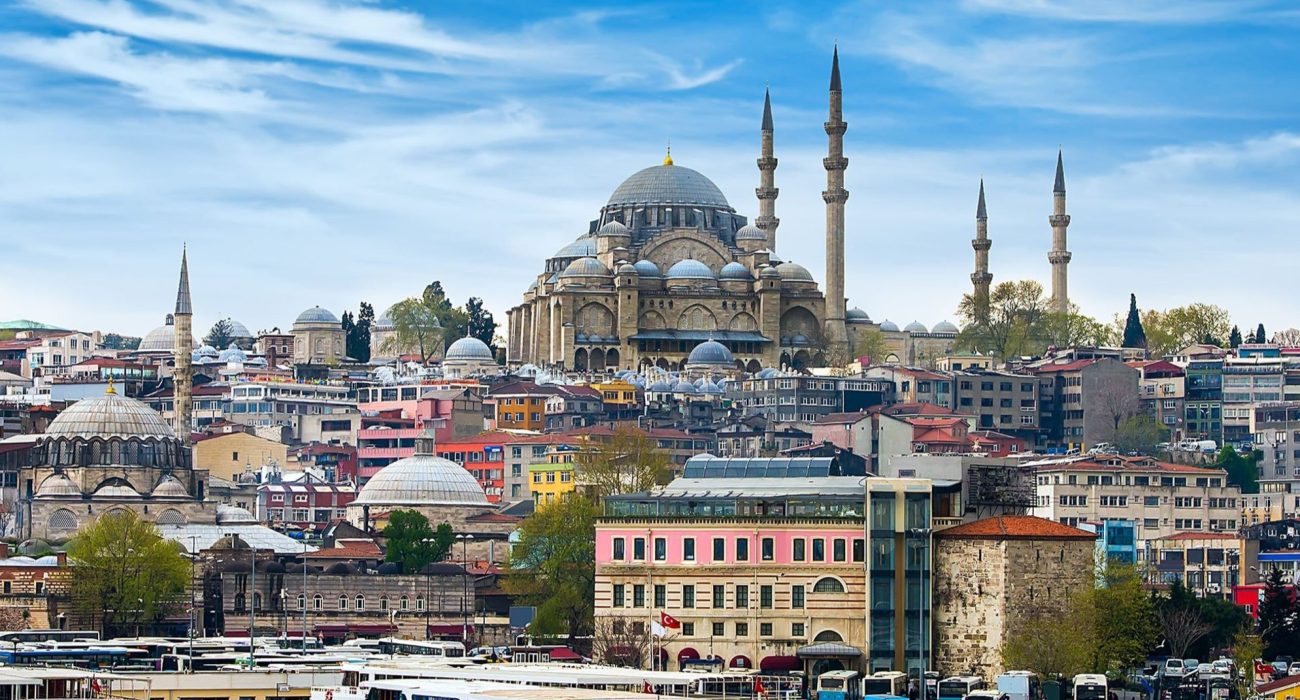
Turkey is a country located between two continents, Asia and Europe, making it an important bridge between East and West in terms of geography and culture. Its capital city is Ankara, while its largest and most famous city is Istanbul. The country is surrounded by three major seas—the Black Sea to the north, the Aegean Sea to the west, and the Mediterranean Sea to the south.
Historically, Turkey is the successor to the Ottoman Empire, which was a major world power for more than six centuries. After the empire collapsed in 1922, the Republic of Turkey was established in 1923 by Mustafa Kemal Atatürk, who is regarded as the father of modern Turkey. He introduced various reforms, including modern education, secularism, and the adoption of the Latin alphabet.
Today, Turkey is a republic with a presidential system of government. The country has a population of more than 85 million people, the majority of whom are Muslim; however, Turkey is officially a secular state. The official language is Turkish.
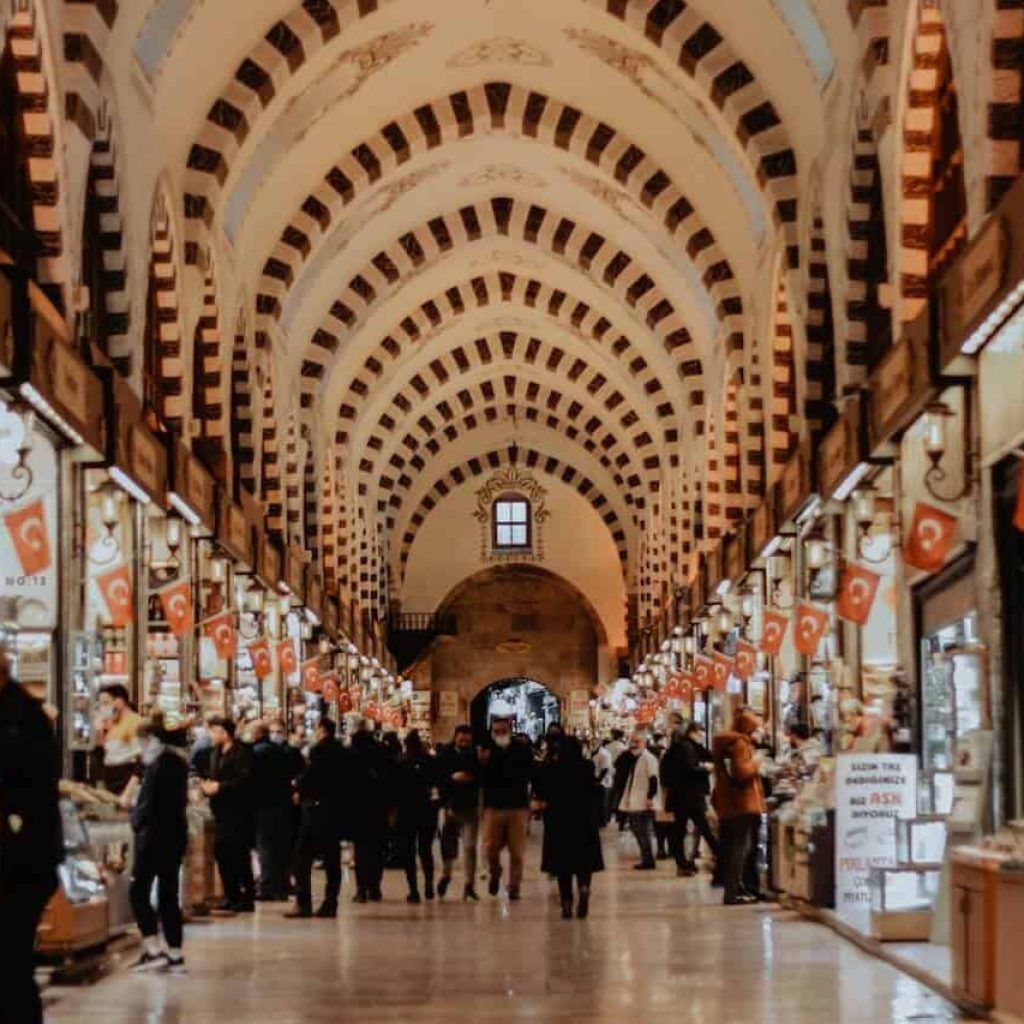
Turkish culture is very rich and colorful, influenced by various civilizations including Islamic, Roman, Greek, and European traditions. Traditional foods such as kebab, baklava, and Turkish tea (çay) are famous worldwide.
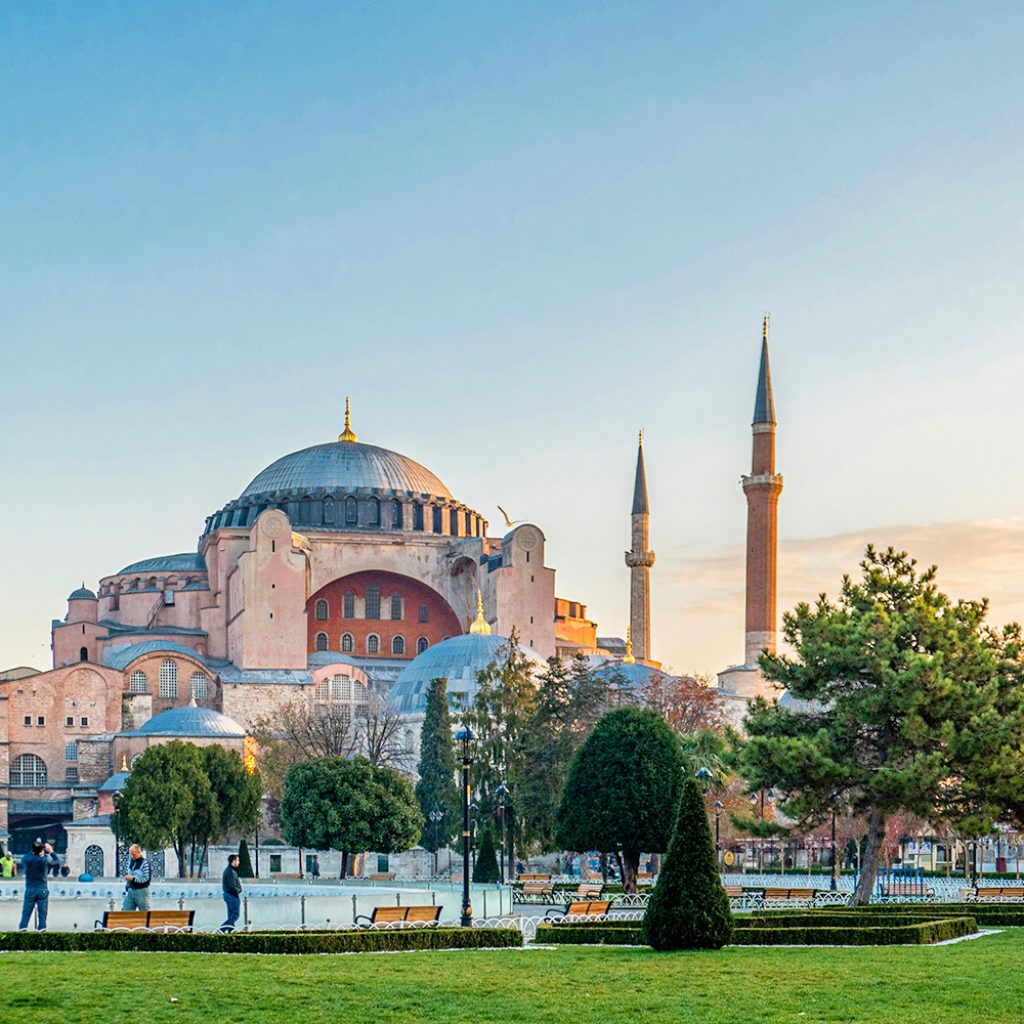
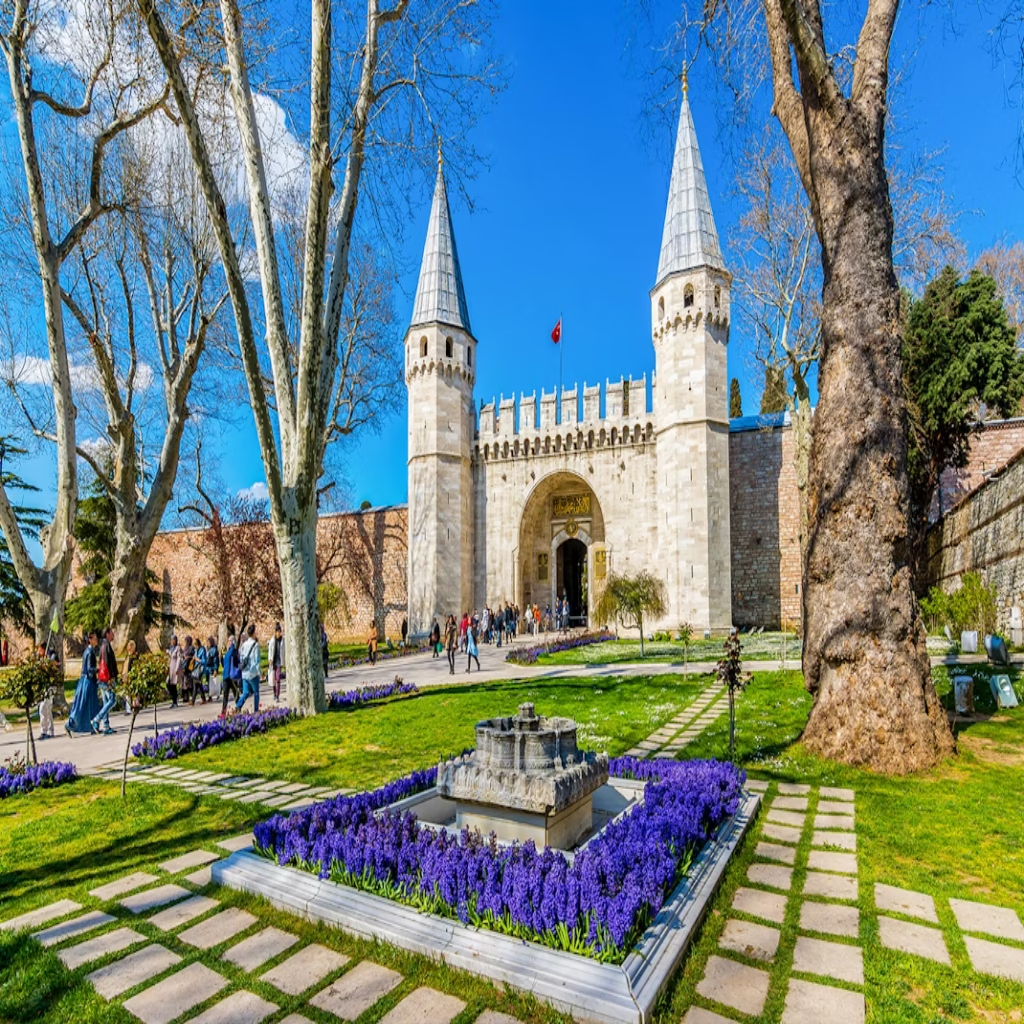
Economically, Turkey has a rapidly developing industrial sector, including textiles, automotive manufacturing, construction, and tourism. Turkey is also a popular tourist destination, with attractions such as Hagia Sophia and the Blue Mosque in Istanbul, the unique rock formations of Cappadocia, the natural hot spring terraces of Pamukkale, and the ancient city of Ephesus.
Overall, Turkey is a country rich in history, culture, and diversity, making it unique and fascinating in many respects.